
 |
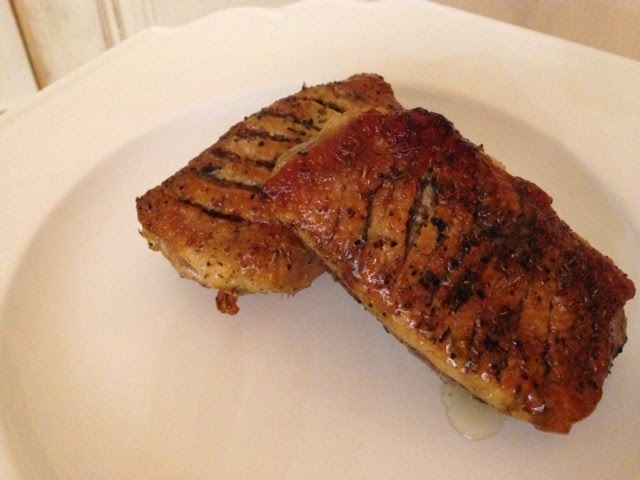
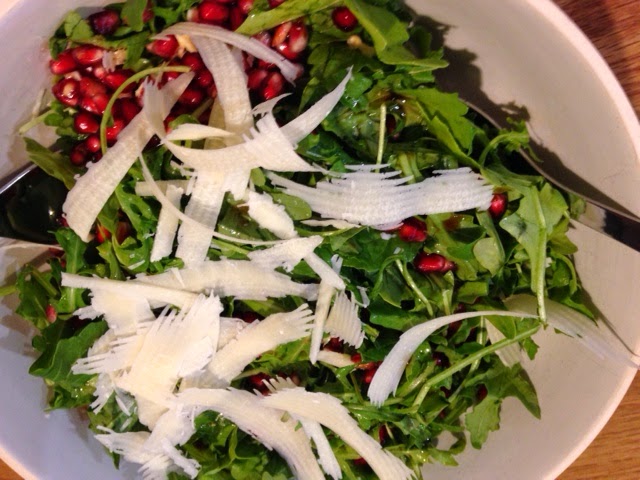
| Roasted duck breast goes beautifully with the tart, peppery flavours of this rocket, pomegranate, parmesan and balsamic salad. |
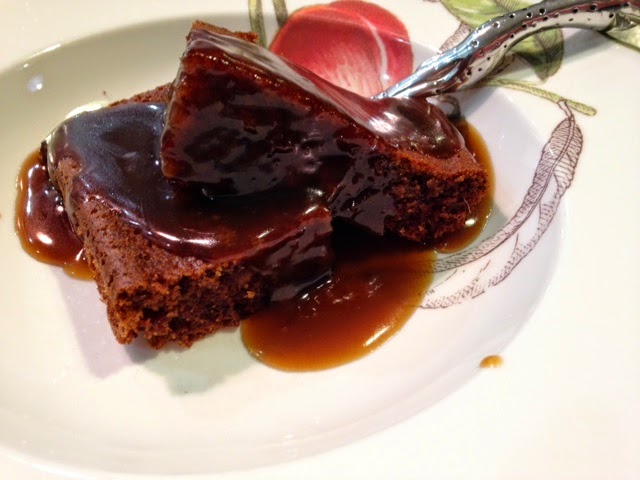 |
| Sticky date pudding with caramel sauce is a perfect way to finish off this autumn meal. I always turn to Australian chef Karen Martini’s recipe for a flawless result. |
The French and Chinese have a real knack for cooking duck. They manage to marry together various ingredients such as five spice powder, thyme, bay leaves or orange that enhance the flavour and texture of this type of poultry. The flesh is always tender and falls away from the bone, whilst the skin remains crisp, glistening and inviting. Whenever I enjoy a duck dish in a restaurant, be it expertly sliced Peking Duck, rolled up in paper thin pancakes or buttery soft delectable Duck Confit, I sign with delight and look forward to each mouthful.
This evening I turned my hand to making Roasted Duck Breasts Rubbed with Thyme. When I picked up the raw duck breasts they felt like silky bread dough in my hand and featured a thick layer of duck fat. Of course I started thinking ahead to using the melted duck fat left in the searing pan for Duck Fat Potatoes on another occasion. Yum!
Here are a couple of tips to tuck under your belt when cooking duck breasts in the French style.
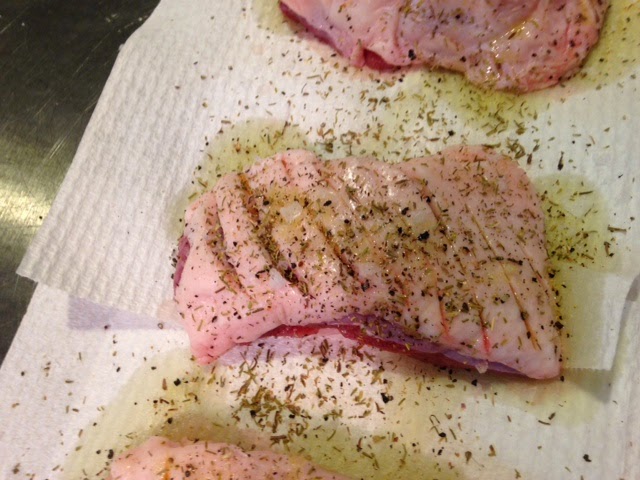
1) Preheat the oven to 200 degrees on a conventional setting. While the oven is heating, rub the skin and underside of the duck breast with olive oil, sea salt, ground black pepper and either fresh or dried herbs. I used 1 teaspoon of dried thyme leaves this evening. Score the fatty layer with a sharp knife, taking care not to slice through the flesh. This will assist in rendering the fat, which can be poured out of the pan, strained and frozen for later use.
2) Sear the duck breasts, skin side down, in a fry-pan for 3 – 4 minutes. Then, flip the pieces over and sear the meaty side for another minute. I placed a small plate over the portions while the skin was searing and pressed down, just to make sure all the skin was connecting with the heat of the pan.
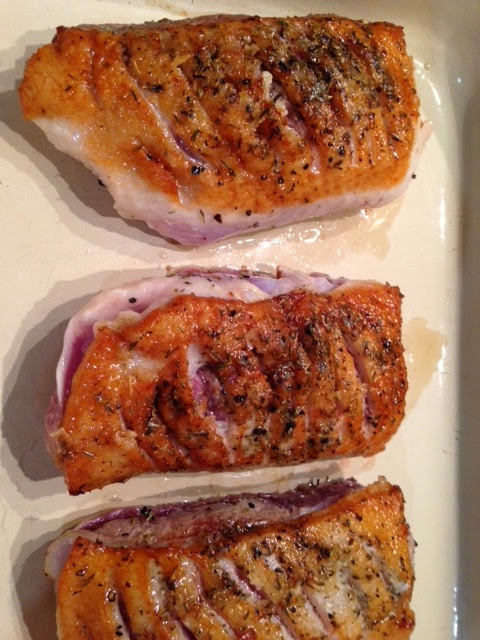
3) Transfer the portions to a baking dish. I used a cast iron Le Creuset roasting pan but any heavy bottomed pan would work well. Place in the oven for 15 – 20 minutes depending on the size and thickness of each duck breast. It is essential not to overcook the duck breasts. This will result in a chewy, firm meat quite intense in flavour. Instead, the meat should still be pink on the inside. Not bloody, but definitely a blush pink. I removed one of the duck breasts from the oven, turned it over and poked a sharp knife into the middle to check on the colour.
4) When ready, allow the portions to rest in a warm place (next to the stove) for 10 minutes before serving.
Although my cooked duck breasts did not resemble a swish restaurant dish, they were tasty, tender and managed to retain that lip smacking salty, crispy crust of skin.
Perhaps I shall take up the challenge one day of tackling the French classic, Duck a L’Orange. I must once again watch for inspiration, one of my favourite foodie films Julie and Julia about French cuisine influenced American chef and personality Julia Child. I always feel energised and keen to take up a cooking challenge after watching that film. It also leaves me wanting to cook and eat everything in butter!
Comments are closed here.