 |
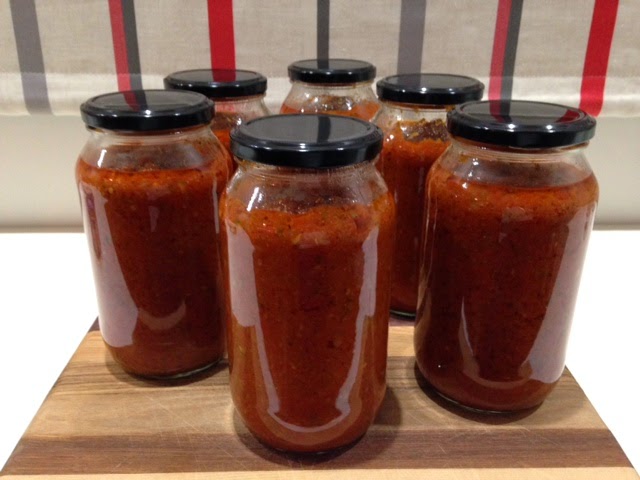
| So much sauce! |
Following a day of fairy floss, food stalls, face painting and fairground rides I was very much looking forward to fossicking through our parcels of products and produce that we bought at today’s school fair.
The jumbo box of mixed fruit and veg that I purchased and hauled back to my car, contained several appetising packham pears which I incorporated in this evening’s dinner – leg of lamb roasted with chunky pears, honey, cumin and oregano. A kilo of washed potatoes were also fished out of the box, cut into quarters, tossed with rosemary, garlic, olive oil and sea salt and baked alongside the lamb. An abundant Greek salad featuring a fresh, deep green glossy cos lettuce and creamy Persian feta added further essential vitamins, minerals and fibre to our family meal.
I was thrilled to discover that my jars of slowly simmered Napoletana sauce and collection of cakes made especially for today’s school fair, were snapped up by shoppers in the early part of the day. I hope they enjoy my home cooked fare as much as my family enjoys it every day.
Tips for Successfully and Safely Storing Sauce
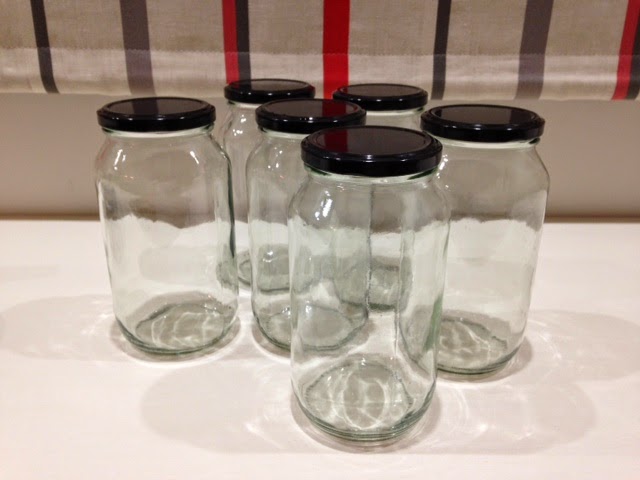
1. Jars must be in good condition. I use new jars for bottling sauces to ensure the lids are free of dents with a continuous seal. The jars must be super clean and sterilised. This can be done using a dishwasher (although the jars need to be warm when they are being filled). Alternatively, wash the jars in hot soapy water, rinse well and then dry out in an oven set at 140 degrees until completely dry.
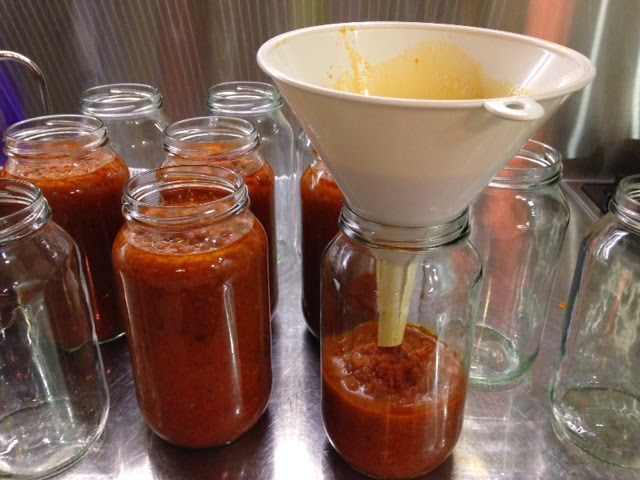
2. Sauce should still be hot when it is ladled into each jar. Use a funnel to direct the sauce straight into the jars, avoiding messy spills and residue around the edges. If any sauce splatters around the rim, wipe clean with a cloth to prevent later spoilage.
3. Before the lids are screwed on tightly, gently tap each jar on the bench to dislodge air bubbles.
4. Immerse the jars up to the top of the lids, in a large pot of water poured directly from the tap. Bring this pot to the boil, then reduce the heat slightly and continue to boil the jars for another 20 minutes on a gentle boil. This will create a seal, keeping the contents fresh during storage.
5. Store the jars in a cool, dark place (kitchen pantry is ideal). I use my bottled sauces within 3 months. Once opened, the contents need to be refrigerated and eaten within 3 days.
This is my recipe for Napoletana Sauce, previously published on Cabinet of Cookery in June 2013.
Napoletana Sauce
This recipe makes about 2 litres of sauce. Double or triple as required.
Ingredients1 x tablespoon extra virgin olive oil
50 grams unsalted butter – if you prefer not to use butter, just double the amount of olive oil, but I find it adds richness and flavour.
1 x large onion (brown or white)
6 x cloves garlic
2 x medium zucchini
1 x long stick of celery
4 x 400 gram tins of chopped tomatoes ( I use the Mutti Polpa variety)
half a bunch of fresh basil (leaves only) – if you don’t have fresh basil handy, then add half a teaspoon of the dried variety. Basil is so easy to grow that it’s worth having a couple of pots with this versatile herb growing all year round.
1 x teaspoon dried Italian herbs
2 x teaspoons sea salt
good grind of black pepper
2 x teaspoons brown sugar
Using a large saucepan, heat the olive oil and butter over a medium heat. I recommend using a large saucepan to prevent the sauce from bubbling over and splattering the stove.
Finely dice all the fresh vegetables, add to the saucepan and and sauté for about 10-15 minutes over a medium heat until they start to soften. Don’t hurry this stage because it is important for the flavours to be released which add a sweetness to the overall sauce. If the ingredients start to stick, reduce the heat and stir.
Add the tinned tomatoes and the remaining ingredients. Fill two of the tins with tap water, add to the mixture and stir to combine. Increase the heat to high and bring to the boil. Then, reduce to a low heat, clamp on the lid and simmer for an hour, stirring occasionally to prevent burning.
Taste the sauce and adjust seasoning if required. You can serve as is in it’s thickened, chunky form, or blend the sauce before serving or storing. I use a Barmix hand held blender which can go straight into the saucepan and is a huge time saver. If you don’t have one, then a traditional blender will also do the job but wait until the sauce has cooled to room temperature to prevent burning.
Comments are closed here.